Ian Byram, M.D.
Ian Byram, M.D., is a board-certified orthopaedic surgeon specializing in […]


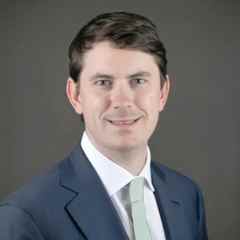
Ian Byram, M.D., is a board-certified orthopaedic surgeon specializing in […]
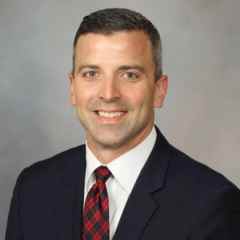
Dr. Barlow graduated from the Mayo Clinic Orthopedic Surgery Residency […]
Dr. Bailey is a graduate of the United States Naval […]

Dr. Abboud is an internationally recognized authority for the treatment […]
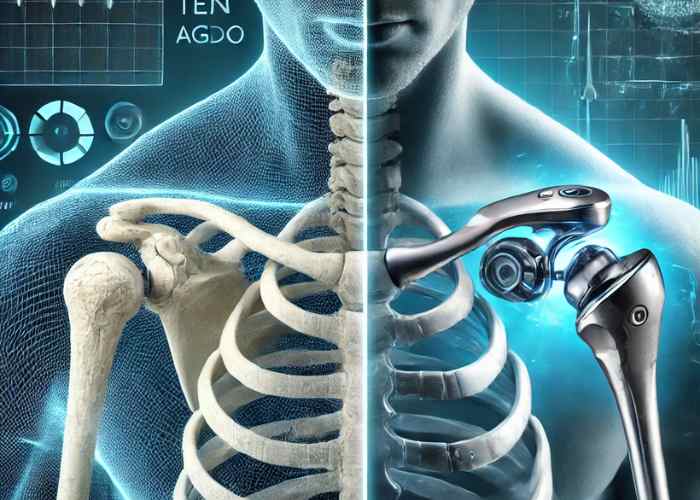
What a difference ten years make—better implants, smarter techniques, and a clearer path to pain-free motion. A decade has reshaped the landscape of shoulder arthroplasty, transforming it from an era of experimental enthusiasm into one of refined precision. Ten years ago, the focus was on overcoming the pitfalls of early prosthetic designs—sizing issues, improper implantation angles, and high failure rates. Now, with anatomical reconstruction at the forefront, modern prostheses offer superior stability, convertibility, and longevity.
What a difference ten years make—better implants, smarter techniques, and a clearer path to pain-free motion. A decade has reshaped the landscape of shoulder arthroplasty, transforming it from an era of experimental enthusiasm into one of refined precision. Ten years ago, the focus was on overcoming the pitfalls of early prosthetic designs—sizing issues, improper implantation angles, and high failure rates. Now, with anatomical reconstruction at the forefront, modern prostheses offer superior stability, convertibility, and longevity.
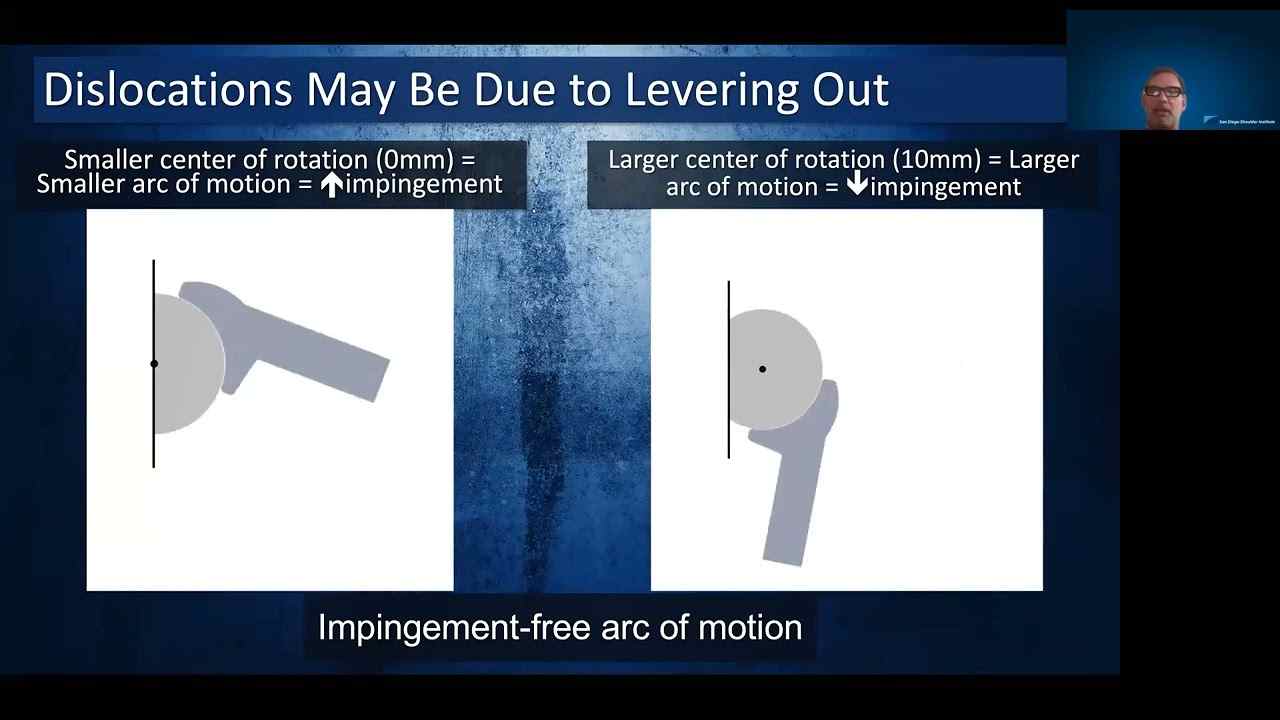
From the art of scapular evaluation with Dr. Bassem Elhassan to the engineering of reverse shoulder arthroplasty stability with Dr. Mark Frankle, these two talks explore what happens when anatomy and implants both demand attention.
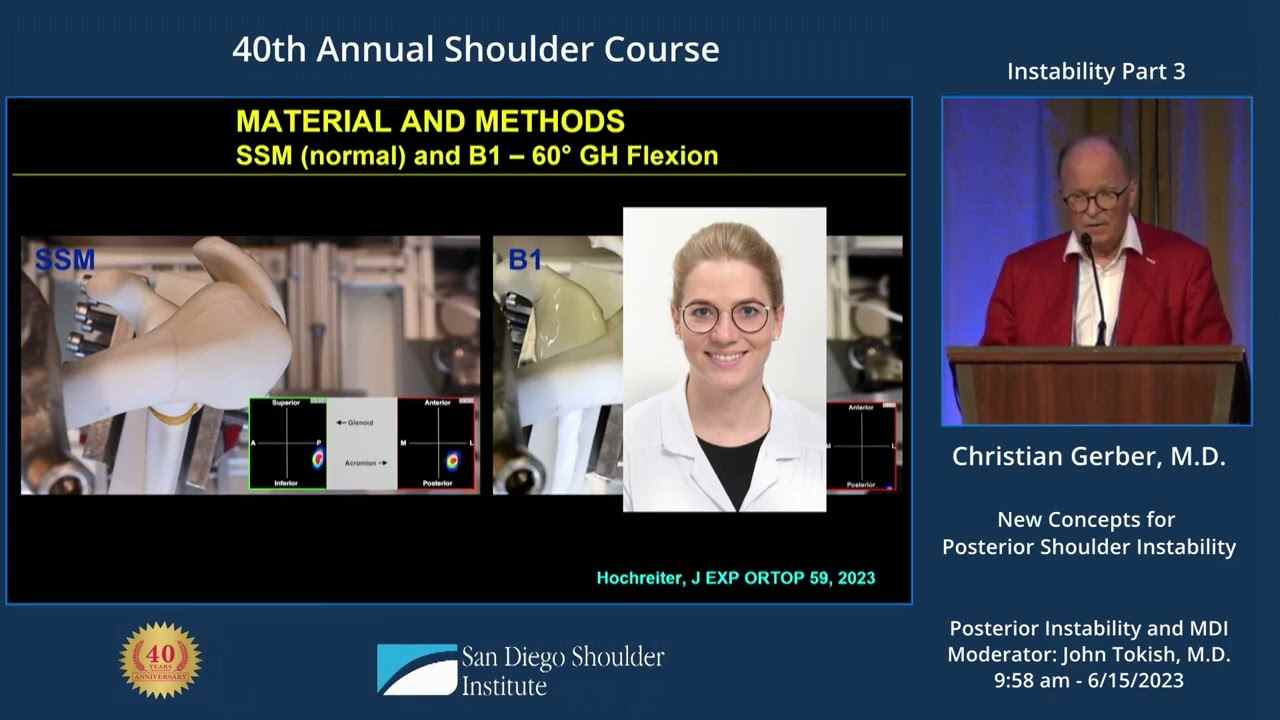
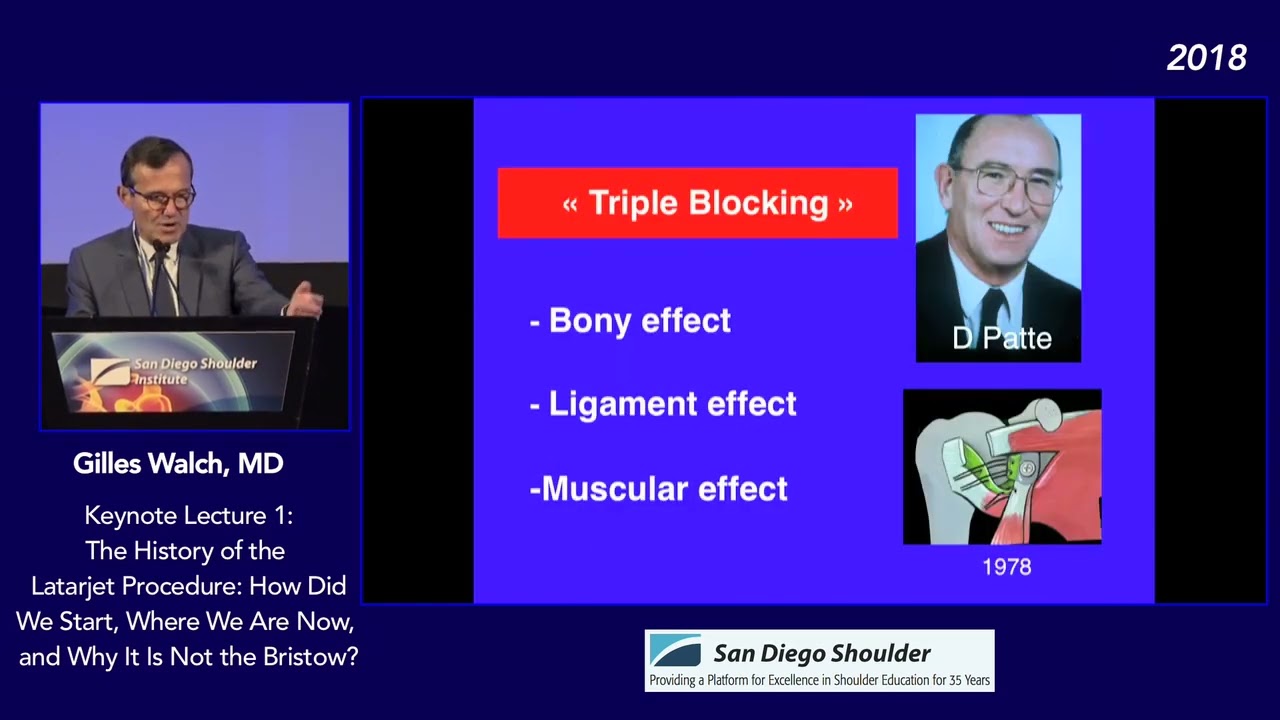
These lectures, over a decade apart, demonstrate the field’s progression from soft tissue-based treatments to a more comprehensive anatomical model—paving the way for refined surgical planning and improved patient care.
San Diego Shoulder Institute is accredited with commendation by ACCME to provide continuing medical education for physicians.

Copyright | San Diego Shoulder Institute | All Rights Reserved